Infographic Chart Design Templates Set: Visualize Your Data
The Anatomy of Effective Visual Communication
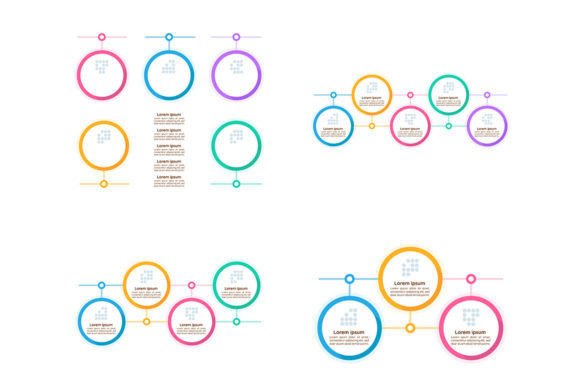
When you are working with complex data, statistics, or a sequence of events, raw numbers on a page often fail to connect with your audience. This is where the Infographic Chart Design Templates Set steps in to bridge the gap between information and understanding. It is not merely a collection of shapes; it is a structured system for visual storytelling. At its core, this collection features abstract vector info charts and instructional graphics with step sequences. These templates provide a skeletal framework that allows you to plug in your own metrics and narratives without needing to build the visual hierarchy from scratch.
The visual personality of this set is defined by clarity and modularity. The style leans toward modern typography and clean geometry, utilizing ample negative space—often referred to as "blank copy spaces"—to ensure the data breathes. Whether you are presenting a comparison between two products, a timeline of a company’s history, or a step-by-step tutorial on how to use a service, the templates offer a neutral yet professional canvas. The appeal lies in their versatility; they do not scream for attention with flashy gradients but rather command respect through organized structure and legibility.
Strategic Applications for Professionals
For the entrepreneur or small business owner, the utility of the Infographic Chart Design Templates Set extends far beyond simple decoration. In the realm of brand identity, consistency is king. When you are pitching to investors or presenting quarterly reports, using these pre-structured templates ensures that your visual data presentation aligns with your corporate standards. It transforms a chaotic spreadsheet into a polished visual data presentation that speaks the language of professionalism.
Consider the needs of a content creator or blogger. Engagement often relies on how easily a reader can scan content. By integrating these templates into your blog posts or social media graphics, you break up text-heavy walls and provide value at a glance. Publishers can utilize these assets for editorial design, creating sidebar graphics or feature spreads that summarize the main article points. Meanwhile, marketers can leverage the step sequence layouts to map out customer journeys or explain the benefits of a new product launch in a digital brochure.
Technical Flexibility and File Formats
A significant advantage of sourcing your assets from a provider like bsd studio is the technical assurance that comes with premium files. The Infographic Chart Design Templates Set is delivered in a comprehensive suite of formats: JPEG, AI, PNG, EPS, and SVG. This variety is crucial for maintaining quality across different mediums.
- Vector Formats (AI, EPS, SVG): These are essential for print projects and large-scale packaging design. Because they are vector-based, you can scale the charts to the size of a billboard or shrink them down for a business card without losing a single pixel of resolution. They are fully editable, allowing you to change colors to match your brand identity.
- Raster Formats (JPEG, PNG): These are optimized for web design and quick social media updates. The PNG files, in particular, are likely to offer transparency, making it easy to overlay the charts onto different background images or textures.
This multi-format approach ensures that whether you are a graphic designer working in Adobe Illustrator or a hobbyist using a drag-and-drop web builder, you have the right file type for the job. It removes the technical barriers that often prevent non-designers from creating high-quality infographic spreads.
Practical Guidance for Implementation
Simply having the templates is only half the battle; knowing how to implement them effectively is what separates amateur work from professional output. Here is a practical guide to getting the most out of these design assets:
- Evaluate Project Fit: Before selecting a chart, define your data. Are you showing parts of a whole? Use a pie or donut chart variant. Are you showing growth over time? Look for the line or bar graph templates. Ensure the template's personality matches the tone of your project—a playful handwritten font overlay might work for a lifestyle blog but not for a corporate financial report.
- Font Pairing and Typography: The templates likely come with placeholder text. When you customize them, pay attention to font pairing. If the template uses a bold sans serif font for headers, pair it with a clean, readable serif or sans-serif for the body text. Avoid using too many typefaces; two is usually sufficient to maintain a clean look.
- Readability and Hierarchy: Use the blank spaces wisely. Do not overcrowd the chart. The goal of modern typography in data viz is to guide the eye. Use size and weight to create hierarchy—make the main statistic large and bold, while keeping the explanatory text smaller.
- Licensing and Usage: Always double-check the commercial licensing. Since these are premium font and vector assets, they are generally cleared for commercial use, allowing you to use them in client work, merchandise, or paid digital products without legal worry.
Elevating Your Visual Strategy
In a digital landscape saturated with content, the ability to present information clearly is a competitive advantage. The Infographic Chart Design Templates Set is more than just a shortcut; it is a tool for better communication. By utilizing these instructional graphics, you respect your audience's time and intelligence, offering them insights that are easy to digest and visually pleasing. Whether you are refreshing your web design, preparing a keynote presentation, or creating educational materials, these templates provide the foundation for a stronger, more effective visual strategy.