Banner Design Templates: Crafting Visual Impact
In the crowded digital landscape, capturing attention isn't just about what you say; it's about how you present it. A well-designed banner is often the first handshake between a brand and its audience. When combined with the sophisticated presentation of a podium, this creates a powerful visual metaphor. Banner Design Templates are not just files; they are strategic frameworks. They provide the structure for showcasing products with the elegance of a keynote presentation and the punch of high-impact advertising. This approach blends the best of graphic design with practical marketing needs.
The Anatomy of a High-Impact Mockup
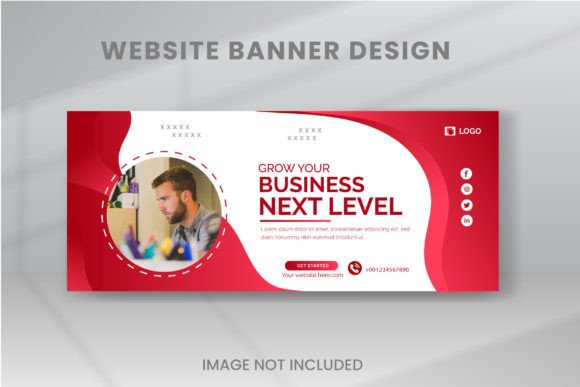
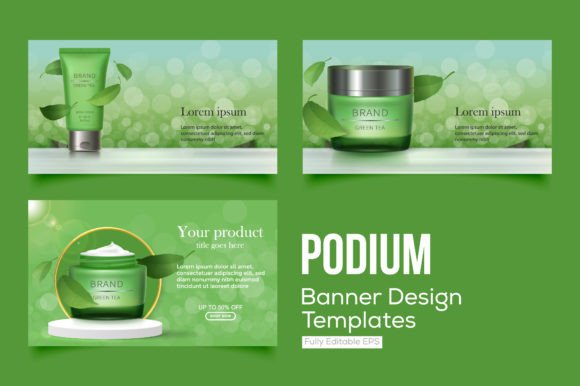
So, what exactly defines a great podium product mockup banner? Visually, it’s about balance and context. The podium element provides a stable, elevated platform, instantly giving the product a sense of importance and value. It’s a clean, professional stage. The banner component wraps around this scene, offering a canvas for typography, brand colors, and key messaging. The best Banner Design Templates in this style feel realistic. You can almost feel the texture of the podium surface and the crispness of the printed banner. The lighting is often soft and directional, creating subtle shadows that add depth. This isn't flat, lifeless imagery; it's a curated scene designed to make your product the hero.
The personality of these designs leans towards modern typography and clean aesthetics. You’ll often find a mix of serif font for elegant headings and sans serif font for clear, readable body copy. The style is versatile—it can be corporate and sleek for a tech launch, or warm and textured for artisanal goods. The overall appeal lies in its ability to make any product, from a physical device to a digital service, look grounded, premium, and ready for its close-up. It’s a creative font approach to product presentation.
Where These Templates Truly Shine
The applications for podium-style mockup banners are surprisingly broad, touching nearly every corner of creative and commercial work. For logo design and brand identity projects, they are invaluable. Presenting a new logo on a mockup banner shows clients how it functions in a real-world promotional context, far beyond a simple business card flat lay. It demonstrates the brand in action, which is crucial for buy-in.
In marketing and advertising, these templates are workhorses. Think about a product launch campaign. You need consistent visuals for a website hero image, social media ads, email headers, and even digital event backdrops. A well-designed mockup template ensures visual consistency across all these social media graphics and digital touchpoints. For packaging design, you can create a mockup that shows the product box on a podium with a banner announcing a new feature or a special edition, creating a complete and compelling story.
Publishers and content creators find them equally useful. A blogger can use a podium mockup to feature a sponsored product in a dedicated post, making the integration feel more polished than a standard product photo. A podcast host might use a banner mockup to promote a new episode or a guest. The templates bridge the gap between a simple product shot and a full-fledged editorial layout, making them a staple in any designer's toolkit of design assets.
Influence on Perception and Engagement
The choice to use a podium-style mockup is a strategic one that directly influences how an audience perceives a product. First, it establishes visual hierarchy. The podium naturally elevates the product, both literally and figuratively, telling the viewer, "This is important. Look here first." The banner then supports this by providing context—what the product is, what the offer is, or what the brand stands for.
This method also significantly boosts professionalism and brand perception. A product presented in a thoughtfully composed scene feels more considered and valuable than one slapped onto a generic background. It signals that the brand cares about quality in every detail. This consistency in presentation across campaigns builds recognition. Customers start to associate that clean, elevated style with your brand, making your materials instantly identifiable even at a glance.
Ultimately, this approach enhances audience engagement. A compelling visual story—a product on a stage, ready for its announcement—is far more engaging than a static product list. It creates a narrative. The viewer isn't just seeing an item; they're being invited to imagine it in a context, whether that's a trade show, a store display, or a special online event. This emotional connection is what turns a passive viewer into an interested customer.
A Practical Guide to Choosing and Using Them
Not all Banner Design Templates are created equal, so a little scrutiny goes a long way. Start by evaluating the project fit. Does the mockup's style—its lighting, surface texture, and angle—align with your brand's personality? A high-gloss, dark podium suits a tech gadget, while a rustic wooden one might be perfect for handmade ceramics. Look for templates that offer smart object layers in Photoshop or similar easy-edit features. This allows you to seamlessly integrate your own graphics and product shots with minimal effort.
Next, consider the font pairing possibilities within the template. Some come with placeholder text using specific display font choices. Assess whether those choices work for your message or if you'll need to swap them. Always test your own font selections within the mockup to ensure readability at different sizes, especially for the banner text which often needs to be legible even in smaller digital ads. Check if the template includes multiple styles or angles—like a front view and a perspective view—giving you more versatility for your editorial design or campaign assets.
Finally, understand the licensing. If you're using these for a client's commercial project or for products you sell, you need a template with a proper commercial license. This is a critical, often overlooked step. A great mockup is a powerful design asset, but its value is nullified if it can't be used legally in your intended application. By choosing wisely, you invest in a tool that elevates your work, streamlines your process, and helps you present your products—and your brand—with the clarity and impact they deserve.